

Solutions
Company
Resources
Make the Right Decisions in Real Operating Conditions With Agro-Industrial Courses
In agro-industrial environments, the biggest challenge organizations face is rarely a result of people lacking the technical knowledge required for the role. Challenges present themselves in real conditions, with machinery running, weather shifting, supply chains under pressure, and decisions made far from desks or ideal circumstances.
Most training focuses on techniques, equipment operation, and compliance requirements. Teams know the procedures but when conditions change unexpectedly, performance is impacted. Teams need to be prepared for when a machine behaves differently, weather disrupts plans, or safety margins narrow — judgment and coordination become the real points of failure.
The cost is not inefficiency alone. It shows up as safety incidents, equipment damage, lost yield, environmental exposure, regulatory consequences, and operational disruptions that ripple across an entire season.
Most training focuses on techniques, equipment operation, and compliance requirements. Teams know the procedures but when conditions change unexpectedly, performance is impacted. Teams need to be prepared for when a machine behaves differently, weather disrupts plans, or safety margins narrow — judgment and coordination become the real points of failure.
The cost is not inefficiency alone. It shows up as safety incidents, equipment damage, lost yield, environmental exposure, regulatory consequences, and operational disruptions that ripple across an entire season.

What Agricultural Skills can Ardoise Boost Within Agro-Industrial Organizations
Ardoise helps agro-industrial organizations move beyond static technical training toward learning that shows up in real field operations and real decision-making.
We identify where performance breaks down across field workers, equipment operators, supervisors, and operational leaders. We then focus our learning on the situations that teams actually face on the ground, giving them a safe way to rehearse critical decisions before those moments impact safety, productivity, or sustainability.
This allows organizations to strengthen consistency, confidence, and judgment in environments defined by variability rather than predictability.
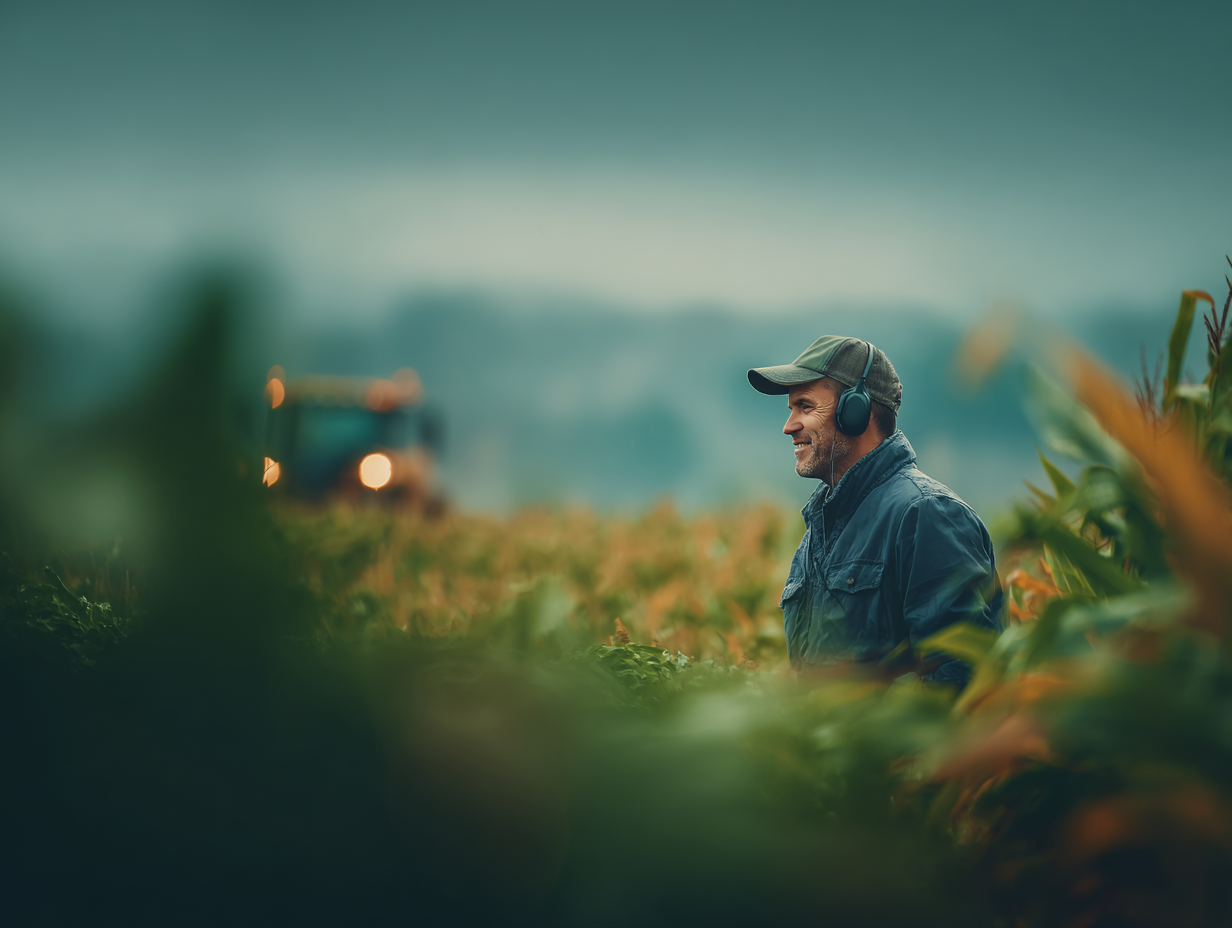
Leading Distributed and Remote Field Teams
Remote Leadership
Team Management
Develop agro-industrial managers with the leadership and communication skills to maintain cohesion, performance, and safety across dispersed field operations. Ardoise builds the remote leadership capability that keeps distributed teams aligned and accountable.

Managing Supplier Relationships
Supplier Management
Negotiation
Supply Chain
Train procurement and operations professionals to build, maintain, and repair supplier relationships under the pressure of cost, quality, and delivery constraints. This Ardoise program develops the negotiation and communication skills that protect supply chain resilience.
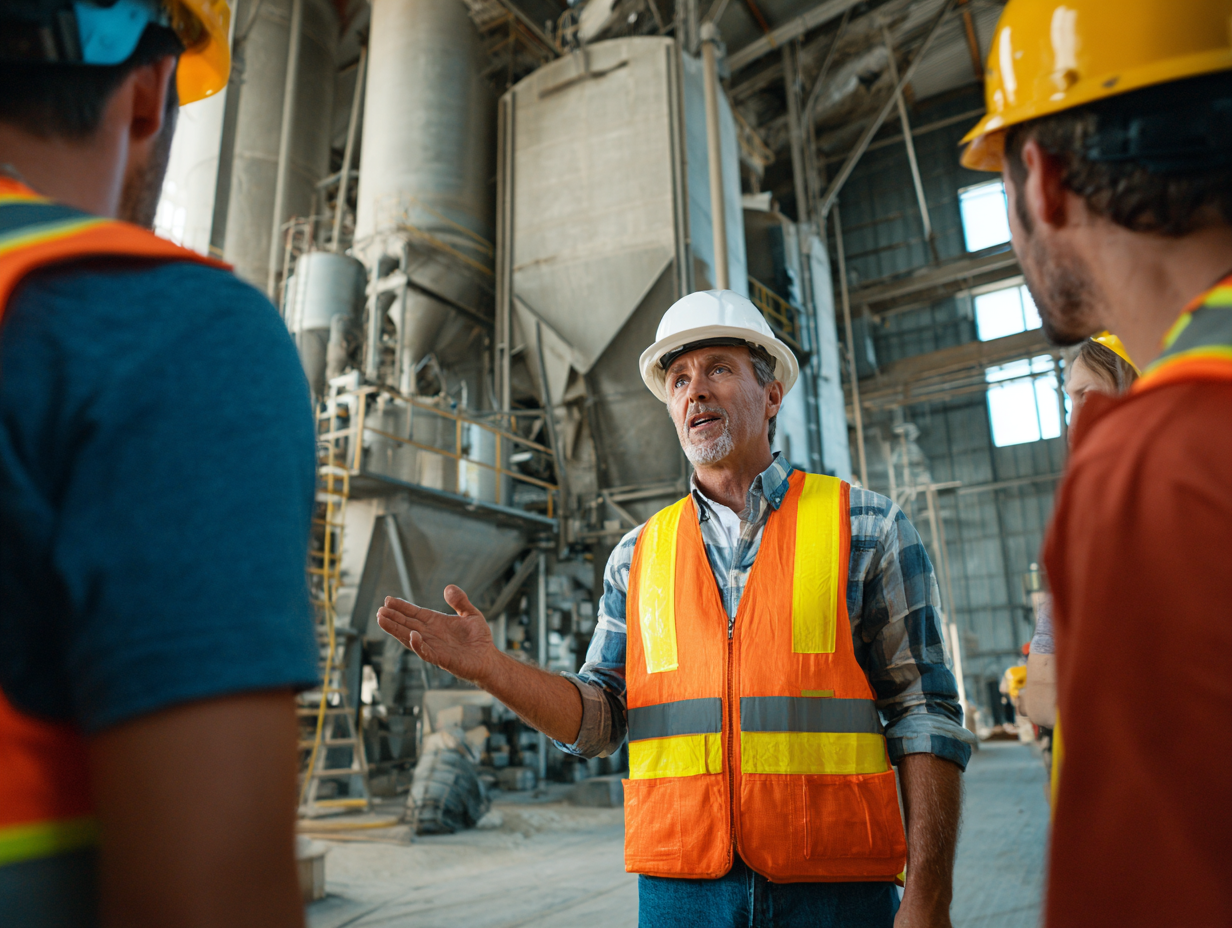
Influencing Without Authority Across the Supply Chain
Influencing Skills
Supply Chain
Stakeholder Management
Equip agro-industrial professionals with the skills to align cross-functional and external partners without relying on formal authority or hierarchy. Ardoise develops the influencing and stakeholder engagement behaviors that drive supply chain performance in complex, multi-actor environments.
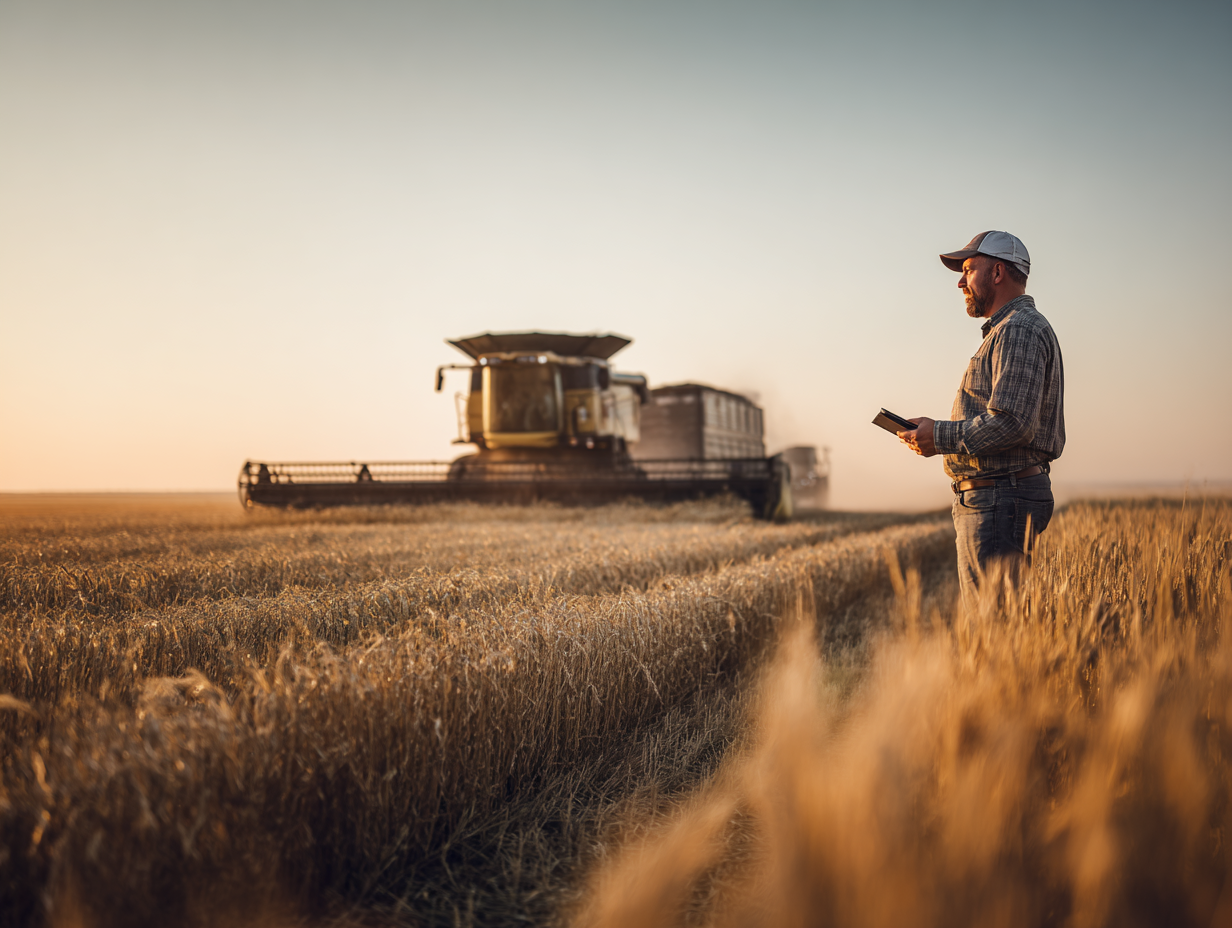
Balancing Productivity and Sustainability in Supply Chains
Supply Chain
Sustainability
Decision-Making
Build the decision-making and communication skills that help agro-industrial teams navigate the practical trade-offs between operational productivity and sustainability commitments. This Ardoise program prepares managers and field leaders to embed sustainable practices without sacrificing performance.
Previous
Next
Built for Performance In Agro-Industrial Environments
Across agro-industrial operations, performance breaks down less often because people lack information than because they are forced to make decisions in imperfect conditions.
Procedures assume stability. Reality rarely provides it.
What matters most is not recall, but judgment. Being able to recognize when conditions are changing, understanding the risk of inaction, and coordinating a response before small issues compound is much more valuable.
Agro-industrial courses with Ardoise strengthen how teams interpret signals, make trade-offs, and act together when the situation does not match the plan, so performance holds even when conditions are variable.
How Ardoise Works

Diagnose real operational decision gaps
Identify where teams struggle under real conditions, not just where technical knowledge is incomplete.
Focus on field-relevant situations
Learning adapts to role, environment, seasonality, and operational risk instead of generic training content.
Practice under realistic conditions
Teams rehearse responses to changing conditions, equipment issues, and safety risks before they occur in the field.
Continuously adapt without rebuilding
As practices, tools, or regulations evolve, learning updates occur without recreating or re-deploying entire programs.
Designed for High-Variability Operating Environments
Ardoise is built for environments where conditions change daily and decisions cannot be scripted.

Training generated from validated, organization-specific materials
Controlled AI behavior aligned with operational and safety standards
No cross-customer data reuse or shared learning models
Clear ownership of all content, inputs, and outputs
Designed to support auditability, investigations, and regulatory review
This allows agro-industrial organizations to benefit from adaptive learning without introducing unpredictability into already complex operations.
How Ardoise Is Used in Agro-Industrial Settings

Field Operations and Safety Decisions
In agro-industrial environments, safety decisions aren’t usually clean or binary. They are made in motion, often by people balancing production pressure, fatigue, weather conditions, and incomplete information.
The core issue isn’t a lack of knowledge about safety rules, but rather the normalization of risk. This manifests in several ways: production pressures override concerns about a machine that "sounds slightly off," the perceived cost of stopping outweighs deteriorating weather conditions, and workers hesitate to report unusual observations, assuming the issue is "probably fine."
Traditional training teaches safety principles in isolation. It does not prepare people for the moment when they must decide whether to stop operations, slow down, adjust, or escalate.
Ardoise allows teams to practice those exact judgment calls. Workers and supervisors rehearse recognizing weak signals, weighing risk under pressure, and communicating concerns clearly and confidently, before those decisions carry real consequences.

Equipment Behavior, Deviations and Process Drift
Equipment in agro-industrial settings rarely fails catastrophically without warning. More often, small deviations accumulate:
- vibration patterns change
- output quality drifts
- maintenance is deferred
- or a workaround becomes routine
The failure point is rarely technical knowledge. It is decision timing and coordination.
- When should someone intervene?
- Who needs to be informed?
- What happens if production continues for another hour?
Traditional training explains how equipment should operate under normal conditions. It does not prepare teams to reason through abnormal behavior when the answer is not obvious.
Ardoise enables teams to rehearse scenarios where equipment behaves unexpectedly, forcing operators, technicians, and supervisors to practice diagnosis, communication, and decision-making together. This strengthens shared understanding of thresholds, escalation paths, and accountability before breakdowns disrupt operations.

Environmental Constraints, Sustainability, and Trade-Off Decisions
Modern agro-industrial operations operate under increasing environmental, regulatory, and sustainability pressure. These pressures rarely present as clear yes-or-no rules.
Teams must make trade-offs: timing of inputs, use of resources, response to weather variability, and compliance with evolving environmental standards — often under scrutiny from regulators, customers, and partners.
What breaks down is not awareness of sustainability goals. It is the ability to apply them consistently when they conflict with short-term operational pressures.
Ardoise helps teams practice sustainability decisions in context, working through realistic scenarios where productivity, environmental impact, and compliance intersect. This builds confidence in making decisions that can be explained, defended, and sustained over time.

Supervisory Judgment and On-the-Ground Leadership
Supervisors in agro-industrial environments often carry disproportionate responsibility. They are expected to manage safety, output, people, and compliance, often across dispersed sites and changing teams.
Many are promoted for experience or tenure, not preparation for leadership under uncertainty. They struggle with when to intervene, how to communicate risk, and how to support teams without slowing operations unnecessarily.
Ardoise provides supervisors with a space to practice leadership decisions before they face them in the field. This includes handling resistance, making unpopular calls, escalating issues upward, and supporting workers under pressure.
By rehearsing these moments, supervisors develop judgment and confidence that directly influence safety culture and operational stability.

Seasonal Transitions, Workforce Changes, and Knowledge Loss
Agro-industrial operations are shaped by seasonality. Teams expand and contract. Experience comes and goes. Knowledge is lost between cycles.
Traditional onboarding focuses on transferring information quickly. It does not prepare new or returning workers for the specific situations that define success or failure in that season.
Ardoise allows organizations to capture and rehearse seasonal realities, enabling teams to practice the decisions, coordination, and responses that matter most during critical periods. This reduces variability and risk when experience levels fluctuate.
Across agro-industrial settings, failures rarely trace back to a single mistake. They emerge from a series of small decisions made under pressure, often by people trying to do the right thing with limited support.
Ardoise is used not to teach people what to do in theory, but to help them think, decide, and act more consistently when conditions are unpredictable.
That is the difference between training and operational readiness.
Previous
Next
Easy to Deploy. Simple to Scale.
Ardoise supports deployment across sites, roles, and seasons, including environments with fluctuating workforces.
As conditions, equipment, and regulatory expectations evolve, training evolves with them, reducing retraining effort while improving operational readiness.
Que vos équipes soient sur un seul site ou réparties sur plusieurs implantations, la mise en place est rapide et les administrateurs peuvent gérer et mettre à jour le contenu d'apprentissage sans support technique.
Start Your Journey with Ardoise
See what performance-first learning looks like in your agricultural sector context.
Frequently Asked Questions
Yes. Ardoise supports rapid onboarding and consistent decision-making, even when teams change throughout the year. Our mobile apps allow seasonal workers to use their own device and there are no additional costs for additional users — so you don’t bear the burden of yearly annual license costs linked to an influx of seasonal workers.

Ardoise: The AI-driven learning platform that empowers organizations to upskill individuals through hyper-personalized, hyper-contextualized training experiences, ensuring your workforce thrives in a fast-evolving world.


Privacy Policy
Download DPA
Ardoise Headquarters
31/33, rue de Mogador 75009, Paris - France
© Ardoise 2026